#10 — The three-hour Brand Sprint
December 18, 2023·3 min read

Contents
Why it matters: Your brand is everything—what you build, how you build it, who you build it for, and how you work. This simple three-hour exercise will help you make better decisions about your startup's identity.
The big picture: Created by Google Ventures, the Brand Sprint squeezes essential branding exercises into just three hours, making it accessible for busy founders who need clarity without the expense of hiring a full-scale branding exercise.
When to do a Brand Sprint
Timing is everything: Only run a Brand Sprint when you have a trigger event like:
- Naming your company
- Designing a logo
- Hiring a branding agency
- Writing a company manifesto
Who needs to be there:
- CEO (mandatory)
- Co-founder(s)
- Head of marketing or design
- The true decision-maker (the "Decider")
The six exercises
1. 20-Year Roadmap (15 minutes)

- Draw a timeline with 5, 10, 15, and 20-year markers
- Have everyone write predictions for each milestone
- Let the Decider choose the final vision for each point
2. What, How, Why (30 minutes)
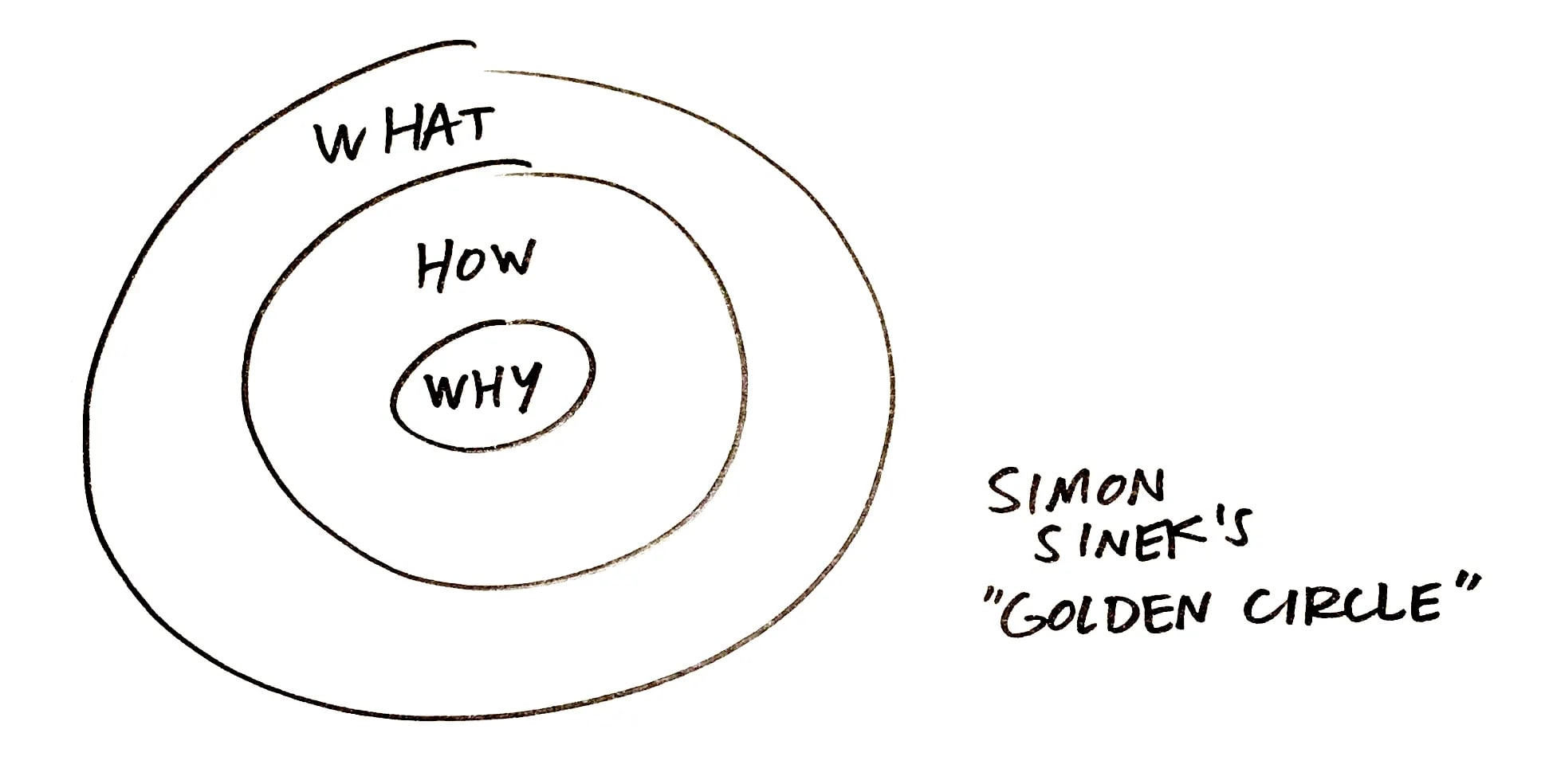
- What: Define what your company does in one sentence
- How: Identify your unique approach or technology
- Why: Articulate the deeper purpose that drives your work
Reality check: Companies with a strong "why" like Apple and Nike have maintained their core purpose for decades, creating stronger brands that customers connect with.
3. Top Three Values (30 minutes)
- Generate a list of potential company values
- Narrow down to just three, in ranked order
- Your #1 value becomes your north star for decisions
4. Top Three Audiences (30 minutes)
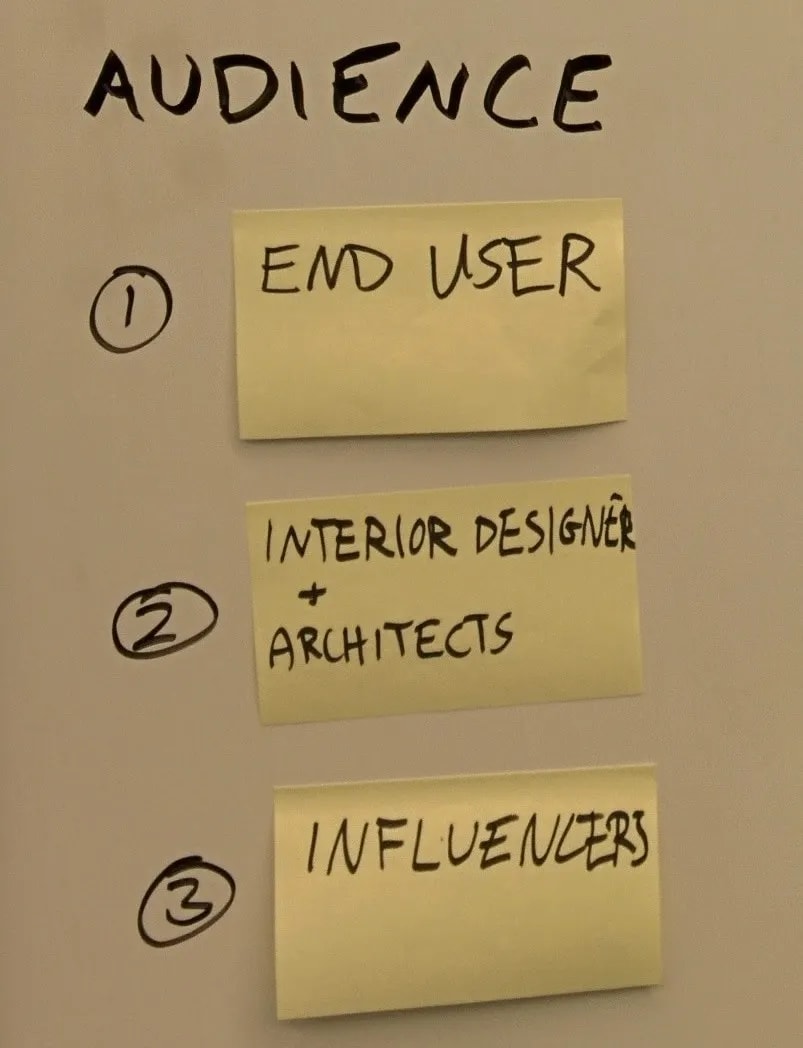
- List all possible audiences who matter to your business
- Prioritize the top three in order of importance
- This clarity helps focus your messaging and product development
5. Personality Sliders (30 minutes)
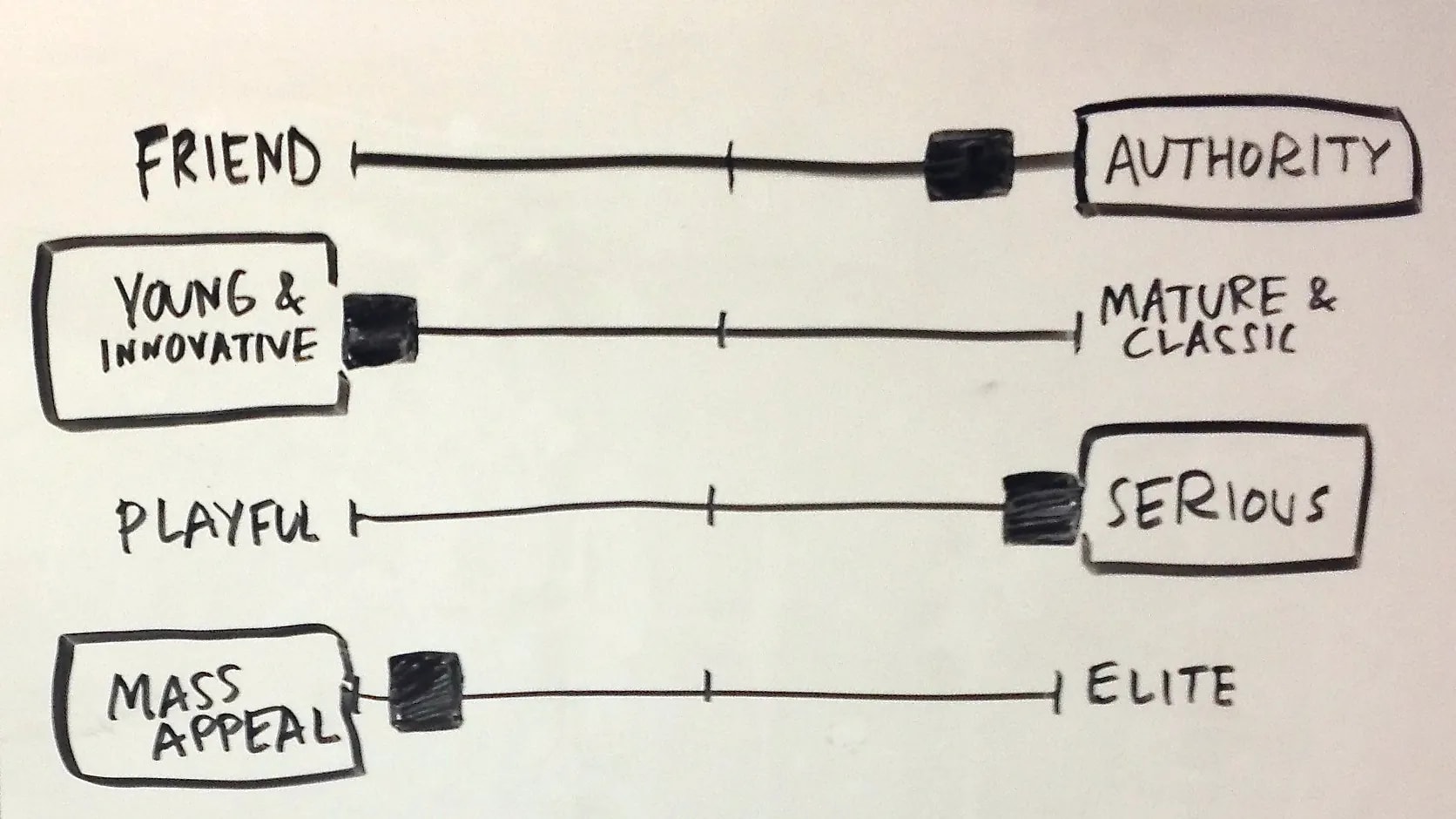
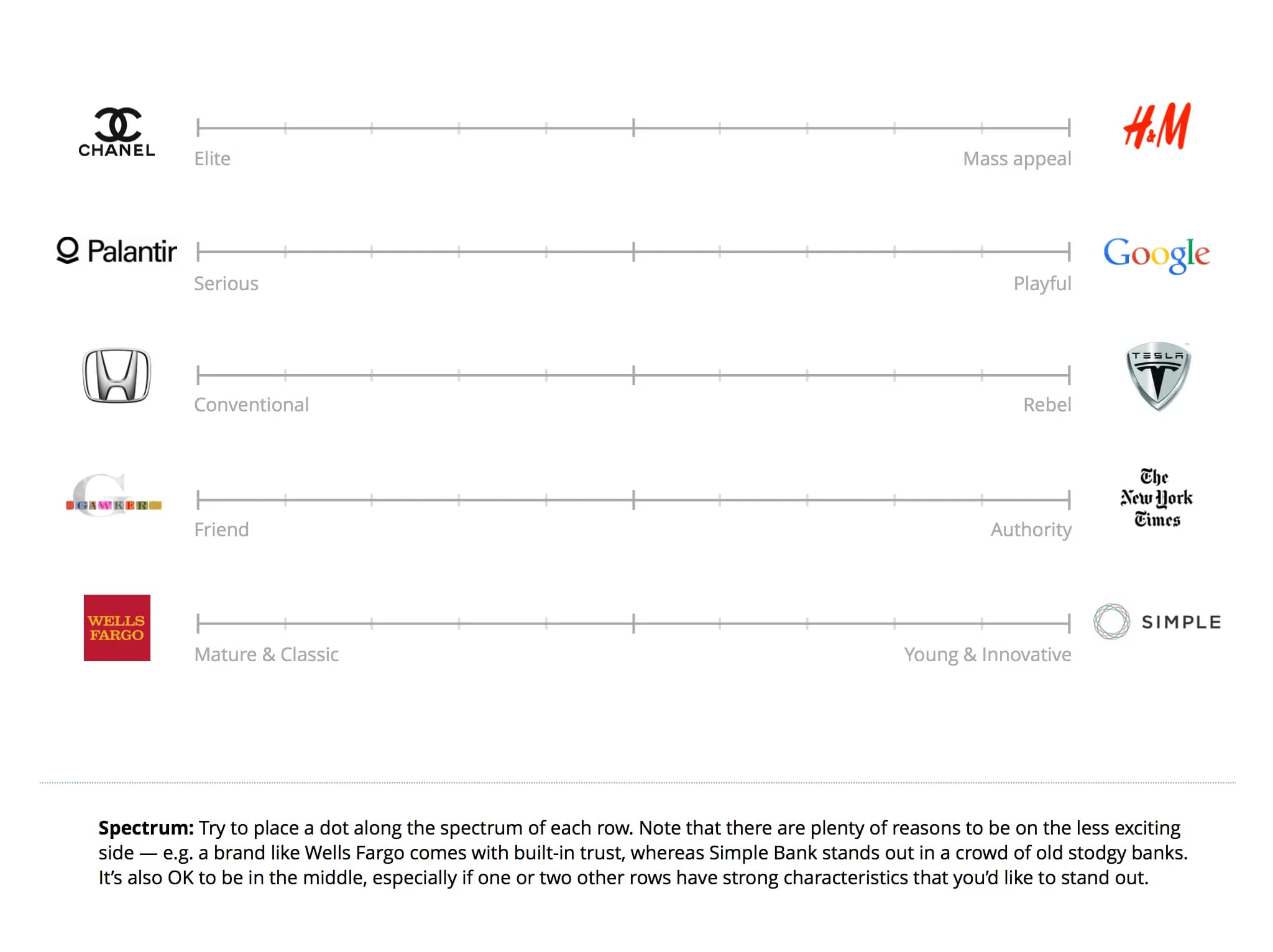
- Position your brand on four spectrums:
- Friend vs. Authority
- Young & Innovative vs. Mature & Classic
- Playful vs. Serious
- Mass Appeal vs. Elite
6. Competitive Landscape (30 minutes)
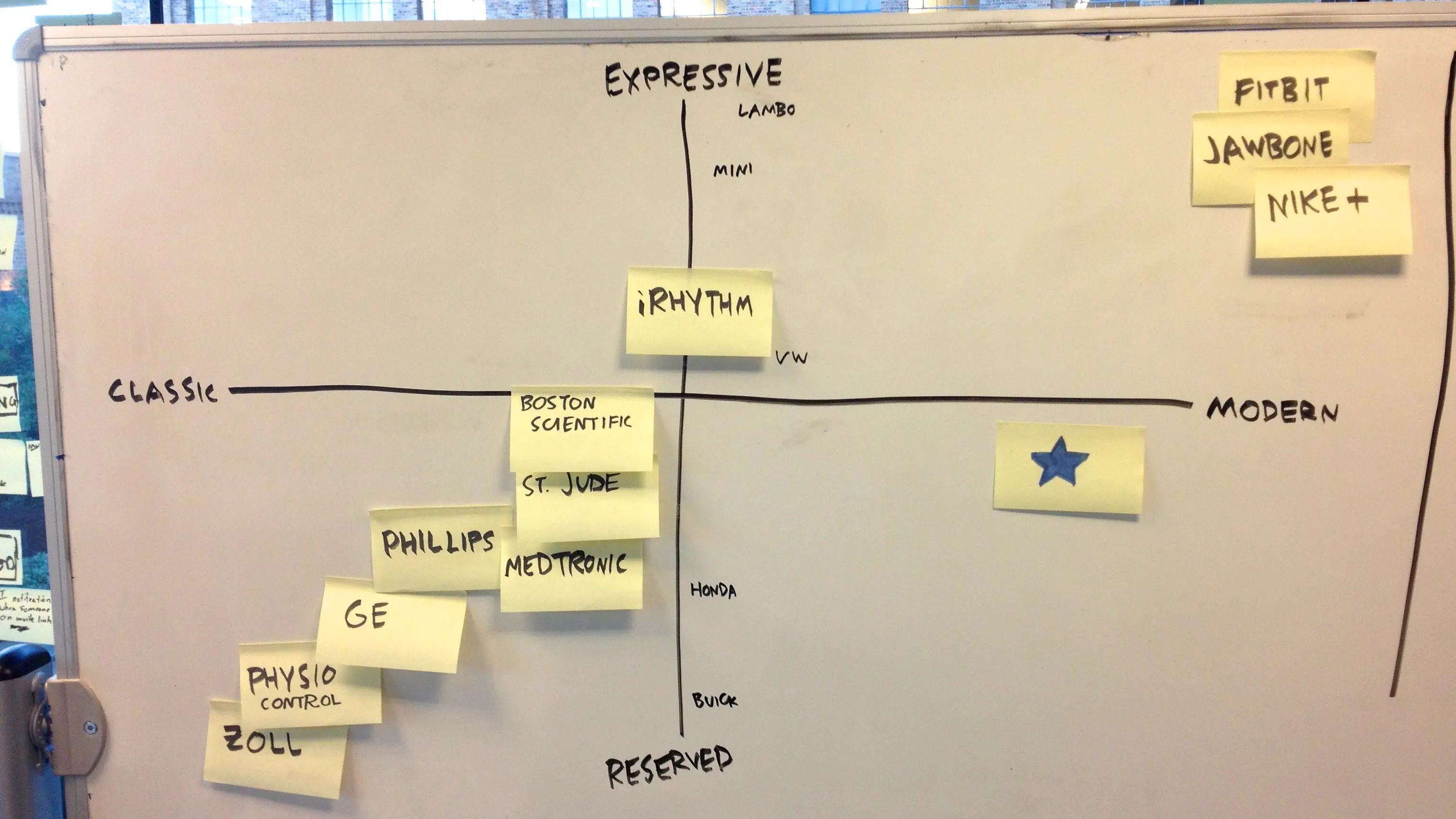
- Plot competitors on a matrix of "Classic to Modern" and "Expressive to Reserved"
- Place your company on the same matrix
- Ensure your position aligns with earlier exercises
The bottom line
This simple slide deck of whiteboard photos becomes your "Super Simple Brand Guide"—a powerful tool for making decisions, onboarding new employees, and staying true to your vision as you grow.
Frequently asked questions
What is a Brand Sprint and why should startups use it?
A Brand Sprint is a fast, structured three-hour workshop, first developed by Google Ventures, to help startups and founders define their brand's direction, values, and key differentiators. It compresses core branding decisions into a single session, making brand strategy more accessible and actionable—especially for founders who don’t have time or budget for a full-scale branding process. This approach has helped companies like Slack and Uber gain alignment early and make better decisions about their identity.
When is the best time to run a Brand Sprint for my startup?
Run a Brand Sprint during pivotal moments like naming your company, designing a logo, hiring a branding agency, or crafting your company manifesto. These are points where clarity and alignment on your brand identity can significantly impact downstream decisions and long-term perception.
Who should participate in a Brand Sprint session?
Key decision-makers should attend—a session is most effective with the CEO (mandatory), co-founders, your head of marketing or design, and anyone who acts as a final ‘Decider.’ Real-world case: Google Ventures requires the ‘Decider’ role, often the CEO or a founder, to prevent indecision or endless debates post-sprint.
What exercises are included in the three-hour Brand Sprint?
The Brand Sprint includes six main exercises: 1) 20-Year Roadmap, 2) What-How-Why, 3) Top Three Values, 4) Top Three Audiences, 5) Personality Sliders, and 6) Competitive Landscape mapping. These exercises build a holistic, actionable brand strategy in a single session, modeled after frameworks that propelled brands like Nike and Apple to maintain consistency and loyalty over decades.
How can the What-How-Why exercise sharpen my brand purpose?
By boiling your company’s mission to a simple ‘What we do, How we do it, and Why we do it,’ you cut through jargon and focus your messaging. Brands like Apple (‘Think different’) or Nike (‘Inspire every athlete’) prove the advantage: their strong ‘Why’ gives them strategic focus and customer loyalty beyond just product features.
How do I choose values that actually shape company culture, not just look good on a website?
Narrowing down to three true company values ensures they influence every decision—hiring, marketing, and even product direction. For example, Airbnb’s ‘Belong Anywhere’ wasn’t just a buzzword—it informed design choices, host selection, and even conflict resolution, making it a real guiding principle.
What is the Personality Slider and how does it help my brand stand out?
The Personality Slider is an exercise positioning your brand across four key spectrums (Friend vs. Authority, Young & Innovative vs. Mature & Classic, Playful vs. Serious, Mass Appeal vs. Elite). This clarity helps prevent inconsistent or off-brand messaging. Basecamp, for instance, leans ‘Friendly and Playful,’ informing their tone across all touchpoints.
How does mapping the competitive landscape help with branding?
Mapping competitors on axes like ‘Classic to Modern’ and ‘Expressive to Reserved’ lets you visually spot white space in your market. Spotify used this to position itself as youthful and expressive, in contrast to staid, reserved competitors like iTunes, quickly attracting a younger user base.
What deliverable should we expect at the end of a Brand Sprint?
You’ll leave with a ‘Super Simple Brand Guide’—often just a slide deck of whiteboard photos. This guide distills your brand’s vision, values, audiences, personality, and market position. It’s a practical tool for onboarding, decision-making, and keeping your brand consistent as you grow.
Can Brand Sprints work for non-tech or traditional companies?
Absolutely. While the Brand Sprint was popularized among tech startups, its structure works for any organization needing fast alignment—agencies, nonprofits, even large enterprise teams. Example: Mailchimp (B2B SaaS) and Honest Company (consumer goods) both used sprint-style sessions in branding pivots.
What is the purpose of a Brand Sprint, and how is it different from traditional brand strategy processes?
A Brand Sprint is a concise, three-hour workshop designed to quickly clarify your company’s brand direction without the drawn-out timelines or high costs of conventional agency branding. Unlike traditional processes that may take months, a Brand Sprint focuses founders and leadership on key factors—vision, values, audience, and uniqueness—speeding up strategic decisions so you can execute faster and avoid costly brand mistakes early.
How do I know if my startup needs a Brand Sprint right now?
You should consider a Brand Sprint if you’re at an inflection point, such as naming your company, updating your logo, hiring a branding agency, or writing your company manifesto. These triggers indicate you need clarity and alignment before making irreversible branding choices.
What are real-world examples of companies that benefited from Brand Sprints?
Google Ventures helped several portfolio companies run Brand Sprints, leading to more focused brand identities. Slack refined its playful identity through similar exercises, while Mailchimp aligned leadership around its approachable, quirky style. Startups and established brands alike use Brand Sprints for rapid alignment—especially when markets, audiences, or products shift.
How do I run a Brand Sprint if my team is fully remote?
Host a virtual workshop using collaborative whiteboarding tools like Miro or Figma. Send pre-work in advance and schedule three hours where all participants join on video call. Leadership (CEO, founders, heads of marketing/design) should clear their calendars, treat it with the importance of a board meeting, and ensure someone acts as Decider to move the process forward.
Can the Brand Sprint be customized for B2B, consumer, or nonprofit brands?
Yes. While the core exercises are universal, examples and discussion points should reflect your industry. For instance, consumer brands may emphasize personality sliders and audience clarity, B2B brands focus more on competitive positioning and value differentiation, and nonprofits highlight their mission and ‘Why’ to attract supporters.
How does the 20-Year Roadmap exercise help in startup growth planning?
By mapping out where your company could be in 5, 10, 15, and 20 years, you force your team to think beyond immediate product launches or pivots. Companies like Airbnb have used long-span visioning to guide not only their brand but also hiring, product planning, and culture setting—leading to greater resilience and avoiding short-term myopia.
What mistakes should founders avoid when facilitating a Brand Sprint?
Common pitfalls include involving too many people, skipping the Decider role, glossing over core values, or treating exercises as superficial. For example, if ‘fun’ is listed as a value but never used as a filter in product or marketing decisions, your brand will appear inconsistent. Successful sprints require ruthless prioritization and actionable outcomes.
How do competitive landscape mappings give startups a market edge?
By visually positioning yourself versus competitors (e.g., Classic/Modern, Expressive/Reserved), you’ll identify ‘white space’—areas underserved or overlooked. This allowed Spotify to dominate the youthful, expressive niche faster, while more mature or reserved competitors focused elsewhere.
What should my final deliverable look like after a Brand Sprint?
Expect a streamlined slide deck or a digital document that captures photos or screenshots from your exercises. This is your ‘Super Simple Brand Guide,’ a living document for decision making, onboarding, design briefs, and communications.
Can a Brand Sprint be run more than once, and if so, when?
Absolutely. Many startups repeat Brand Sprints before major pivots, rebrands, or expansions. For example, Notion revisited brand alignment after launching new products, helping maintain coherence as the product suite grew and diversified.
How does a Brand Sprint connect to go-to-market strategy?
A well-defined brand, grown from exercises in the Brand Sprint, makes GTM tactics more consistent and memorable. Messaging, positioning, visuals, and ad spend align, reducing friction and preventing confusion in channel selection or campaign execution. Strong brands typically enjoy lower customer acquisition costs and higher retention.
What are examples of bad branding outcomes when a sprint is skipped?
Without systematic brand alignment, companies often face mixed messaging, wasted design resources, expensive rebranding efforts, and confused customer perception. For instance, Yahoo underwent costly logo changes without anchor values, resulting in brand dilution and poor internal clarity.
How can founders prepare for a successful Brand Sprint?
Gather all leadership in one focused session, send out pre-work including company vision and competitive reviews, block three hours with no distractions, and empower the Decider to finalize key points. Review brand guides from admired companies—like Airbnb, Nike, or Basecamp—and aim to produce similar clarity in your session.
Keep reading

#11 — Managing a board of directors
Board management isn't just governance. Here's how top founders maintain transparency, build trust, and channel investor expertise to accelerate growth.
#12 — Crafting your fundraising pitch
First, nobody starts a company because they love fundraising. Second, your startup may not yet generate revenue but it must generate convinction.

#13 — ChatGPT 4 prompt engineering for founders
Master GPT-4's latest capabilities to build smarter products, automate workflows, and gain competitive advantage.